What I Ate for 6 Months to Transform My Hair—And Why It Actually Worked
Ever stared in the mirror, wondering why your hair feels dull, brittle, or just won’t grow? I’ve been there—frustrated, trying every shampoo and serum with zero results. Then I shifted focus from what I was putting on my hair to what I was putting in my body. Over six months, I changed my diet with no gimmicks, just real food. The result? Stronger strands, less shedding, and actual growth. This isn’t magic—it’s science. And if you're ready to see what food can really do for your hair, keep reading.
The Hair Wake-Up Call: When Topical Fixes Failed Me
For years, I believed the promise of glossy magazine covers and Instagram ads: the right shampoo, the perfect serum, the latest scalp treatment—surely one of them would give me the thick, shiny hair I remembered from my teenage years. I invested in high-end products, tried keratin masks, and even visited a dermatologist who recommended a topical minoxidil solution. Yet, no matter what I applied, my hair continued to thin at the temples, shed more than usual during showers, and lacked the vitality it once had.
The turning point came one morning when I found a clump of hair in my brush—more than normal, more than I could ignore. I wasn’t under extreme stress, I wasn’t sick, and I wasn’t going through hormonal shifts. So what was causing this? That’s when I began researching beyond the beauty aisle. I discovered a growing body of evidence suggesting that hair health starts from within. External treatments might improve appearance temporarily, but they can’t address deficiencies in nutrients essential for hair growth and strength.
This realization shifted my perspective completely. Instead of blaming my genetics or age, I began to ask: what if my body simply wasn’t getting the building blocks it needed? Hair is non-essential tissue from a survival standpoint, so when the body is low on nutrients, it prioritizes vital organs over hair follicles. This means even mild deficiencies—ones that don’t cause obvious symptoms—can manifest as hair thinning, dryness, or slow growth. I decided to stop chasing topical solutions and instead focus on nourishing my body with the foods that support hair from the root.
Hair Biology Basics: What Your Strands Are Made Of
To understand how food affects hair, it helps to know what hair actually is. Each strand is primarily made of a protein called keratin, produced in hair follicles located beneath the skin’s surface. These follicles go through a continuous cycle: the anagen (growth) phase, catagen (transition) phase, and telogen (resting) phase. At any given time, about 85–90% of your hair is in the growth phase, while the rest is resting or preparing to shed.
Nutrition plays a critical role in sustaining this cycle. During the anagen phase, which can last two to seven years, follicles require a steady supply of amino acids, vitamins, and minerals to produce strong, healthy hair. If nutrient intake is inadequate, the cycle can shorten, leading to thinner strands or premature shedding. For example, low iron levels are linked to telogen effluvium, a condition where more hairs than usual enter the resting phase and fall out.
One common misconception is that trimming your hair regularly makes it grow faster. In reality, cutting the ends only improves appearance by removing split ends—it doesn’t affect the follicle or growth rate. True growth happens beneath the scalp, fueled by blood flow and nutrient delivery. This is why scalp health matters: a well-nourished scalp with good circulation supports stronger, more resilient hair. Conditions like dandruff or inflammation can impair this environment, but diet can help reduce internal contributors like oxidative stress and poor sebum production.
Another overlooked factor is the time lag between nutritional changes and visible results. Hair grows about half an inch per month, and changes in diet take weeks to influence the follicles. This means you won’t see improvements overnight. But with consistent nourishment, the foundation for healthier hair is laid long before it becomes visible above the scalp.
The Core Nutrients That Build Better Hair
If hair is made of protein, then protein should be the starting point—and it is. Keratin is synthesized from amino acids, the building blocks of protein. Without adequate dietary protein, the body cannot produce enough keratin, leading to weak, brittle strands. I made it a point to include a source of high-quality protein in every meal: eggs, Greek yogurt, lentils, chicken, or fish. Even plant-based proteins like quinoa and tofu became staples in my rotation.
Iron is another crucial nutrient, especially for women. It helps red blood cells carry oxygen to hair follicles. Low iron stores, even without full-blown anemia, are strongly associated with hair loss. I started monitoring my iron intake by eating more spinach, lentils, and lean beef, and pairing plant-based iron sources with vitamin C-rich foods like bell peppers and citrus to enhance absorption. Zinc also plays a role in hair tissue growth and repair. A deficiency can lead to both hair loss and a dry, flaky scalp. I incorporated pumpkin seeds, chickpeas, and cashews into my snacks to maintain healthy zinc levels.
Omega-3 fatty acids, found in fatty fish like salmon and in flaxseeds and walnuts, are powerful anti-inflammatory agents. They help nourish the scalp, reduce dryness, and improve hair elasticity. I noticed that during the winter months, when my omega-3 intake was lower, my scalp felt tighter and more irritated. Increasing these healthy fats brought noticeable relief and added a natural shine to my hair.
Vitamins are equally important. Vitamin A supports sebum production, which keeps the scalp moisturized, but too much can be harmful—so I focused on food sources like sweet potatoes and carrots rather than supplements. Vitamin C is essential for collagen production and iron absorption; I ate more broccoli, strawberries, and oranges. Vitamin D, often called the “sunshine vitamin,” has been linked to hair follicle cycling, and many adults are deficient. I made an effort to spend time outdoors and included fortified foods like mushrooms and dairy. Finally, vitamin E, a potent antioxidant, helps protect hair from oxidative stress. Sunflower seeds and almonds became my go-to sources.
My Daily Plate: What I Actually Ate (No Diets, Just Real Food)
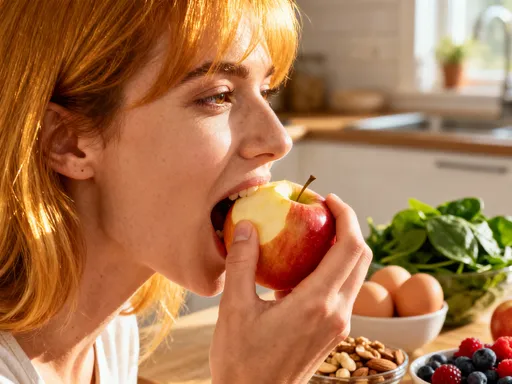
I didn’t follow a strict diet or eliminate entire food groups. Instead, I focused on adding nutrient-dense whole foods to my daily routine. My breakfasts often included scrambled eggs with spinach and tomatoes, providing protein, iron, and vitamin C. On busy mornings, I’d have Greek yogurt with blueberries and a sprinkle of chia seeds—offering protein, antioxidants, and omega-3s. I avoided sugary cereals and processed bars that offered little beyond empty calories.
Lunch was typically a balanced plate: a base of quinoa or brown rice, a generous portion of lentils or grilled chicken, and a variety of roasted or steamed vegetables like sweet potatoes, broccoli, and carrots. This combination delivered complex carbohydrates, fiber, protein, and a wide range of vitamins and minerals. I dressed my meals with olive oil and lemon juice, which not only enhanced flavor but also increased the absorption of fat-soluble vitamins like A and E.
Snacks were simple and satisfying. A handful of almonds or walnuts gave me healthy fats and vitamin E. Carrot sticks with hummus provided beta-carotene and plant protein. I also enjoyed small portions of dark chocolate (70% or higher), which contains iron and antioxidants, in moderation. These choices kept me full between meals and supported steady nutrient intake without feeling deprived.
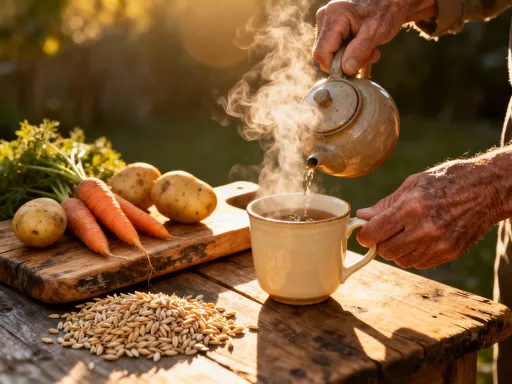
Hydration was another key factor. While water doesn’t directly grow hair, it supports overall cellular function, including the scalp’s ability to produce sebum and maintain elasticity. I aimed for at least eight glasses a day, sometimes more if I was active or in a dry climate. Herbal teas like rooibos and chamomile were part of my routine too, offering hydration without the diuretic effect of caffeine.
One of my guiding principles was sustainability. I didn’t aim for perfection—there were weekends when I enjoyed pizza or dessert. The goal wasn’t restriction but consistency. By making small, repeatable choices, I built a lifestyle that supported my hair health without feeling like I was on a diet.
Foods That Sabotage Hair Health (And How I Cut Them Back)
Just as certain foods support hair, others can undermine it. One of the biggest culprits is a high-sugar diet. Excess sugar leads to inflammation and can disrupt hormonal balance, both of which are linked to hair thinning. I noticed that after eating sugary desserts or drinking sweetened beverages, my scalp sometimes felt oilier or more irritated. I began to limit added sugars by reading labels and choosing whole fruits instead of processed sweets.
Processed foods, such as packaged snacks, fast food, and refined grains, are often stripped of nutrients and high in unhealthy fats and sodium. While convenient, they offer little in terms of bioavailable vitamins and minerals. I didn’t eliminate them completely—life happens—but I made them the exception rather than the rule. Instead of reaching for crackers, I’d choose whole grain toast with avocado, which provided fiber, healthy fats, and potassium.
Alcohol and caffeine were areas where I made moderate changes. Excessive alcohol can deplete the body of essential nutrients like zinc and B vitamins, while too much caffeine may interfere with iron absorption. I didn’t quit either, but I reduced my intake: limiting myself to one glass of wine on weekends and switching from three cups of coffee to one or two, often followed by a glass of water. These small shifts helped maintain better nutrient balance without sacrificing enjoyment.
The key was balance. I didn’t adopt an all-or-nothing mindset. Instead, I focused on progress over perfection. By reducing harmful foods gradually and replacing them with nourishing alternatives, I created a sustainable pattern that supported long-term hair health.
Timeline of Change: What Improved and When
The first signs of improvement appeared between weeks four and eight. I noticed less hair in my brush and shower drain. My scalp felt less dry, and the itchy patches I used to experience during seasonal changes disappeared. These early changes were subtle but encouraging—they told me my body was responding.
By month three, the difference became more visible. My hair had more shine and felt thicker between my fingers. Friends began commenting that my hair looked healthier, even though I hadn’t changed my styling routine. I also observed that my strands were less prone to breakage when I brushed or styled them. This was likely due to improved keratin production and better scalp hydration from increased omega-3s and vitamins.
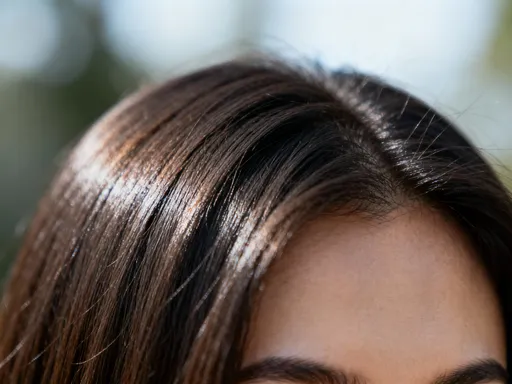
At the six-month mark, the transformation was undeniable. I measured nearly three inches of new growth—more than I’d seen in years. My hairline appeared fuller, and my ponytail was noticeably thicker. I didn’t have dramatic before-and-after photos, but I could see the change in the mirror and feel it in the weight of my hair. It wasn’t just longer; it was stronger, more resilient, and easier to manage.
Looking back, I realized that the most important factor wasn’t any single food or supplement, but consistency. The cumulative effect of daily nourishment created the foundation for lasting change. I also learned to be patient. Hair growth is slow, and results take time. But by staying committed to real food, I gave my body the tools it needed to rebuild from within.
Sustainable Hair Nutrition: Making It Last Beyond the Hype
One of the most valuable lessons from this journey was that consistency matters more than perfection. I didn’t need to eat perfectly every day to see results. What mattered was showing up, meal after meal, with choices that supported my health. This approach is sustainable because it doesn’t rely on restriction or extreme measures—it’s about building habits that fit into real life.
I also learned to adapt this way of eating to my lifestyle and budget. Not every nutrient-rich food is expensive or hard to find. Eggs, lentils, spinach, and sweet potatoes are affordable and widely available. Frozen vegetables and canned beans are just as nutritious as fresh ones and can make healthy eating more accessible. The goal isn’t to buy the most expensive superfoods but to make smart, consistent choices with what’s available.
Patience was another essential ingredient. It’s easy to expect fast results, especially in a world of quick fixes and instant gratification. But hair grows slowly, and the body takes time to repair. Managing expectations helped me stay motivated without becoming discouraged. I focused on how I felt—more energy, better digestion, clearer skin—knowing that hair improvements would follow.
In the end, this journey became about more than just hair. It became a form of self-care. Eating to nourish my body reminded me that I am worth the effort. Food is not a cure-all, and it won’t fix every hair concern—genetics, medical conditions, and other factors still play a role. But for many women, especially those experiencing thinning or dullness without a medical diagnosis, diet can be a powerful starting point.
Healthy hair isn’t about chasing trends or spending money on products that promise miracles. It’s about listening to your body, understanding its needs, and feeding it with intention. When I stopped focusing on what I could apply to my hair and started paying attention to what I was eating, everything changed. The results weren’t instant, but they were real. And if you’re willing to do the same—eat for your hair, not just style it—you might be surprised by what grows.