Time Flies, But Your Body Doesn’t Have To
You know that feeling when you catch your reflection and think, Wait, is that really me? Aging sneaks up quietly—but it doesn’t have to win. After years of trial and error, I discovered that movement is the most powerful anti-aging tool we already own. No magic pills, just smart, consistent motion that keeps cells young, joints strong, and energy high. This is real, science-backed, and surprisingly simple. The good news? It’s never too late to start. Whether you’re 35 or 55, the body responds—often within weeks—to the right kind of physical stimulus. This isn’t about turning back the clock; it’s about making sure the clock ticks more gently, with strength, grace, and vitality.
The Reality of Aging No One Talks About
Aging is often framed as a cosmetic issue—fine lines, graying hair, a slower metabolism. But beneath the surface, something deeper is happening: cellular aging. As we grow older, our cells begin to function less efficiently. Telomeres, the protective caps at the ends of our chromosomes, shorten with each cell division. When they become too short, cells can no longer divide and may enter a state of senescence or die. This biological process is linked to age-related decline, including weakened immunity, slower healing, and increased risk for chronic conditions.
Yet aging is not a one-way downward spiral. Science now shows that lifestyle choices, especially physical activity, can influence how quickly our biological clock ticks. Studies have found that people who engage in regular exercise tend to have longer telomeres than their sedentary peers. This doesn’t mean exercise stops aging entirely, but it does suggest we have more control than we think. Movement appears to activate enzymes like telomerase, which help maintain telomere length, effectively slowing cellular aging at the molecular level.
Another key player is mitochondrial health. Mitochondria are the energy powerhouses of our cells, and their efficiency declines with age. This decline contributes to fatigue, muscle loss, and slower recovery. However, consistent physical activity—especially aerobic and resistance training—has been shown to stimulate mitochondrial biogenesis, the process of creating new mitochondria. In essence, movement signals the body to renew its energy systems, helping cells function more youthfully.
The takeaway is clear: aging is not just time passing. It’s a dynamic process influenced by daily habits. While genetics play a role, lifestyle factors like movement, nutrition, and sleep have a profound impact. You don’t need to run marathons or lift heavy weights every day. What matters most is consistency and variety. The body thrives on diverse movement patterns—walking, stretching, lifting, balancing—that together support long-term function and vitality.
Why Most Workouts Miss the Anti-Aging Mark
Many people approach fitness with goals focused on appearance—losing weight, building muscle, or fitting into old jeans. While these are valid motivations, they often overlook a more important metric: functional longevity. Can you play with your grandchildren without back pain? Can you carry groceries up the stairs without getting winded? Can you get up from the floor easily? These are signs of true health, and they depend on more than just calorie burn or muscle size.
Traditional workout routines often emphasize one or two aspects of fitness—like high-intensity cardio or strength training—while neglecting others. A woman might walk every morning to burn calories, but skip strength work, leading to gradual muscle loss. Another might lift weights but avoid stretching, resulting in stiff joints and reduced mobility. Over time, these imbalances increase the risk of injury and accelerate physical decline.
True anti-aging fitness is not about extremes. It’s about balance. Research from the American College of Sports Medicine highlights that optimal health requires four components: cardiovascular endurance, muscular strength, flexibility, and balance. When any of these are missing, the body compensates in ways that can lead to strain, poor posture, and joint wear. For example, weak core muscles can cause lower back pain, while tight hip flexors from sitting all day can disrupt gait and increase fall risk.
Moreover, chronic high-intensity exercise without adequate recovery can do more harm than good. Excessive stress on the body—especially without proper rest—can elevate cortisol levels, increase inflammation, and speed up cellular aging. The goal is not to push harder, but to move smarter. A well-rounded routine that includes moderate effort, variety, and recovery supports long-term health far more effectively than short bursts of intense training followed by burnout.
The Four Pillars of Age-Defying Movement
To truly slow the effects of aging, your fitness routine should rest on four foundational pillars: strength, mobility, cardiovascular health, and recovery. Each plays a distinct role in maintaining physical function, and together they create a resilient, adaptable body. Think of them as the legs of a chair—remove one, and the whole structure becomes unstable.
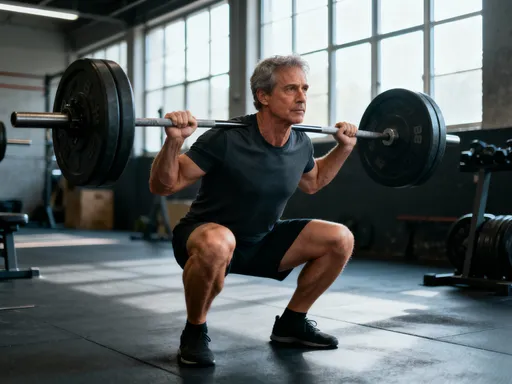
Strength training preserves muscle mass, which naturally declines with age. After 30, adults lose about 3–5% of muscle per decade, and this accelerates after 60. Muscle is not just about appearance; it supports metabolism, bone density, balance, and insulin sensitivity. Without enough muscle, daily tasks become harder, and the risk of falls and fractures increases. Two to three strength sessions per week—using bodyweight, resistance bands, or weights—can significantly slow this decline.
Mobility work keeps joints healthy and movement fluid. As we age, connective tissues like tendons and ligaments lose elasticity, leading to stiffness and reduced range of motion. Simple daily practices—such as shoulder rolls, ankle circles, or gentle spinal twists—help maintain joint lubrication and tissue flexibility. Mobility is like preventive maintenance; it keeps the body’s moving parts functioning smoothly, reducing wear and tear over time.
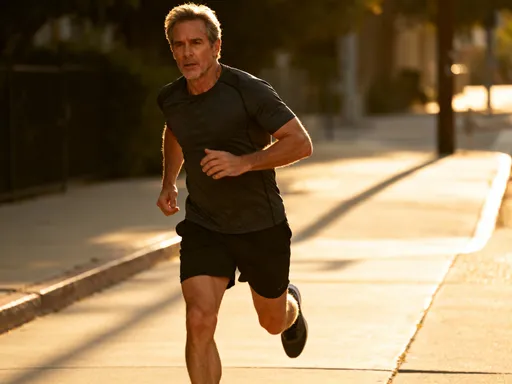
Cardiovascular exercise supports heart and lung health, circulation, and brain function. But not all cardio is equal. Long, moderate-effort activities—like brisk walking, cycling, or swimming—are especially beneficial for longevity. Known as Zone 2 cardio, these exercises improve mitochondrial efficiency without overstressing the body. They also help regulate blood pressure, blood sugar, and inflammation, all of which contribute to healthier aging.
Finally, recovery is not passive—it’s an active part of the anti-aging process. Sleep, hydration, and low-impact movement days allow the body to repair tissues, reduce inflammation, and restore energy. Without recovery, even the best workout routine can backfire. Overtraining leads to fatigue, injury, and hormonal imbalances. By contrast, strategic rest—such as a walk after a hard workout or a yoga session on a recovery day—enhances overall performance and resilience.
Strength: Your Secret Weapon Against Decay
Muscle loss, or sarcopenia, is one of the most underrecognized aspects of aging. It begins subtly—trouble standing up from a chair, difficulty carrying heavy bags, or feeling weaker over time. But its effects are far-reaching. Muscle is metabolically active tissue, meaning it burns calories even at rest. As muscle mass decreases, so does metabolic rate, making weight management more difficult. More importantly, muscle supports joint stability and balance, reducing the risk of falls—a leading cause of injury in older adults.
The good news is that strength training can dramatically slow, and even reverse, this decline. Studies show that older adults who engage in regular resistance exercise can increase muscle mass and strength within just a few weeks. You don’t need a gym or expensive equipment. Bodyweight exercises like squats, lunges, push-ups (modified if needed), and planks are highly effective. Resistance bands are affordable, portable, and versatile—perfect for home workouts.
Strength training also benefits bone health. The mechanical stress of lifting stimulates bone-forming cells, increasing bone density and reducing the risk of osteoporosis. This is especially important for women, who are at higher risk for bone loss after menopause. Weight-bearing exercises like walking or stair climbing also help, but adding resistance provides an extra boost.
For best results, aim for two to three strength sessions per week, targeting all major muscle groups—legs, back, chest, arms, core. Start with manageable weights or bodyweight movements, focusing on proper form. Gradually increase intensity as you build strength. The goal is not to bulk up, but to build functional strength that supports daily life. Over time, you’ll notice improved posture, easier movement, and greater confidence in your physical abilities.
Mobility Is Not Just for Yogis
Flexibility often takes a backseat in fitness routines, especially as we age and prioritize other goals. But stiffness is not an inevitable part of getting older—it’s a sign of underuse. Joints need movement to stay healthy. Without regular motion, synovial fluid—the lubricant that nourishes cartilage—doesn’t circulate properly, leading to stiffness and discomfort. Simple tasks like bending down, turning your head while driving, or reaching into a cabinet become harder.
Mobility work is different from stretching. While stretching focuses on lengthening muscles, mobility includes joint movement, muscle activation, and neuromuscular control. It’s about restoring the full range of motion so your body can move freely and efficiently. Think of it as internal maintenance—like oiling the hinges of a door so it opens smoothly.
Daily mobility practices can be short and simple. Try a 10-minute routine in the morning or after sitting for long periods. Start with joint circles: rotate your wrists, ankles, shoulders, and hips in slow, controlled motions. Add dynamic stretches like leg swings, arm circles, or cat-cow movements to warm up the spine. These small movements increase blood flow, reduce stiffness, and prepare the body for more active movement.
Over time, consistent mobility work can restore lost range of motion. Many people discover they can squat deeper, twist farther, or reach higher than they thought possible. This isn’t just about comfort—it’s about independence. Maintaining mobility means you can continue doing the things you love, from gardening to dancing, without pain or limitation. And because mobility supports balance and coordination, it also reduces the risk of falls and injuries.
Cardio That Loves You Back
Cardiovascular exercise is essential for heart health, lung capacity, and overall energy. But not all cardio is created equal when it comes to longevity. High-intensity workouts have their place, but they shouldn’t dominate your routine—especially as you age. Chronic high-intensity training without enough recovery can increase oxidative stress and inflammation, which may accelerate aging over time.
A better approach is Zone 2 cardio—moderate-intensity exercise where you can still hold a conversation. This includes brisk walking, cycling on flat terrain, swimming, or using an elliptical machine. In this zone, your body burns fat efficiently, builds endurance, and improves mitochondrial function without excessive strain. Research shows that regular Zone 2 training enhances insulin sensitivity, supports brain health, and lowers the risk of chronic diseases like type 2 diabetes and heart disease.
The American Heart Association recommends at least 150 minutes of moderate-intensity aerobic activity per week—about 30 minutes, five days a week. This can be broken into smaller sessions, such as two 15-minute walks. The key is consistency. Walking after meals, for example, helps regulate blood sugar and digestion. Over time, regular cardio improves circulation, boosts mood through endorphin release, and increases stamina for daily activities.
Walking, in particular, is one of the most underrated forms of anti-aging exercise. It’s low-impact, accessible, and easy to integrate into daily life. A study published in the journal JAMA Internal Medicine found that older adults who walked more steps per day had lower mortality rates. Even increasing your step count by 1,000 steps daily was associated with significant health benefits. Walking in nature adds an extra layer of benefit, reducing stress and improving mental well-being.
Recovery: The Forgotten Fountain of Youth
In a culture that often glorifies busyness and intensity, rest is misunderstood. Many see recovery as passive—something you do only when injured or exhausted. But in reality, recovery is where the body rebuilds, repairs, and grows stronger. Muscles repair during sleep, inflammation decreases with rest, and the nervous system resets with downtime. Without adequate recovery, even the best workout routine can lead to burnout, injury, and accelerated aging.
Sleep is the cornerstone of recovery. During deep sleep, the body releases growth hormone, which supports tissue repair and muscle growth. Poor sleep, on the other hand, is linked to higher cortisol levels, increased appetite, and impaired cognitive function. Aim for 7–9 hours of quality sleep per night. Establish a calming bedtime routine, limit screen time before bed, and keep your bedroom cool and dark to support restful sleep.
Active recovery is just as important. These are low-effort days that promote circulation without taxing the body. Gentle walking, stretching, foam rolling, or restorative yoga help clear metabolic waste from muscles, reduce soreness, and improve flexibility. They also signal the nervous system to shift from “fight or flight” to “rest and digest,” reducing chronic stress.
Hydration and nutrition also play key roles in recovery. Water supports every cellular function, including nutrient delivery and waste removal. Dehydration can mimic fatigue and reduce physical performance. Similarly, eating a balanced diet rich in protein, healthy fats, and antioxidants provides the building blocks the body needs to repair and regenerate. Omega-3 fatty acids, found in fatty fish and flaxseeds, help reduce inflammation, while antioxidants in fruits and vegetables protect cells from oxidative damage.
Recovery isn’t laziness—it’s strategy. It’s the quiet phase that makes the active phase sustainable. By honoring your body’s need for rest, you create a fitness routine that lasts a lifetime, not one that burns you out in a few months.
Move Like You Mean to Stay
Aging is inevitable, but decline is not. The human body is designed to move, and when movement becomes a daily habit, it transforms into a powerful form of self-care. You’re not chasing youth—you’re investing in vitality. Each walk, each stretch, each strength session sends a message to your cells: We’re still in this together.
The beauty of this approach is its simplicity. You don’t need expensive equipment, a gym membership, or hours of time. Start with what you can do—five minutes of stretching, a 10-minute walk, two sets of bodyweight squats. Consistency matters more than perfection. Over time, these small actions compound, leading to noticeable improvements in energy, strength, and confidence.
Movement is not just physical—it’s emotional and psychological. It reduces stress, improves mood, and fosters a sense of control over your health. For women in their 30s, 40s, and 50s, this is especially empowering. Life brings changes—hormonal shifts, family demands, career pressures—but your body can remain a source of strength and resilience.
Let motion become your lifelong promise to yourself. Not because you have to, but because you want to—because you deserve to feel strong, capable, and alive at every age. The clock will keep ticking, but with the right kind of movement, you can make each year count in the most meaningful way: by living it fully.